You know how people say, “Don’t judge a book by its cover”? Cute. But in business? It’s completely false. The truth is, people are absolutely judging you by your “cover”—your website, your logo, your Instagram feed, your photos. Which is why the secret to building a high-end brand from day one is simple: don’t wait until you’ve “made it” to look like you belong there. Show up like you’re already sitting at the table you want to be at.
Yes, a lot of businesses start on a budget. Trust me, I get it. But here’s the part no one likes to admit: where business owners think they’re saving money (hello, DIY logos and cousin’s-friend-who-knows-Photoshop websites) is actually costing them in the long run. Cheap design doesn’t just look cheap. It makes your audience question your value before you’ve even had a chance to prove it.
And those snap judgments? They happen in seconds. It’s not fair, but it’s reality. That’s why some brands win and why others get stuck in the bargain-bin perception trap. Let me explain with an example.
How Warby Parker Got It Right
When Warby Parker hit the scene, they could have gone the bargain-bin route. $95 glasses? That could have easily looked like the “discount eyewear” section next to the pharmacy counter in Sam’s Club. But instead, they launched with branding that felt intentional, modern, and dare I say? Cool.
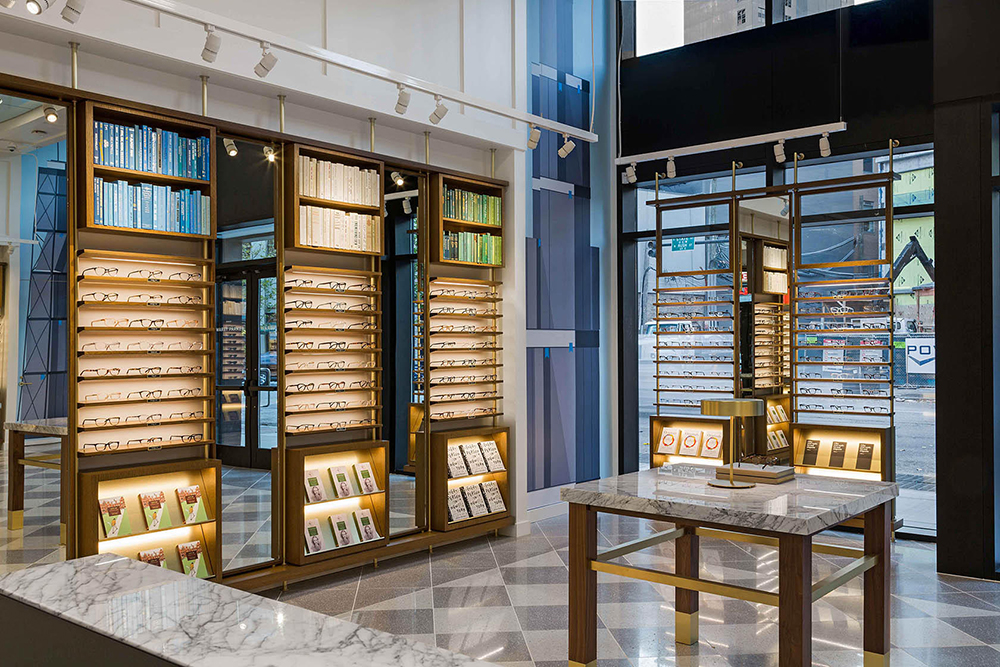
Their website was polished. Their packaging felt like you were unboxing something special. And then there’s the in-store experience: clean lines, open shelving, soft lighting, minimalist interiors. Walking into a Warby Parker store doesn’t feel like shopping for glasses—it feels like stepping into a lifestyle. There’s a reason I buy my eyewear from them.
That’s the power of looking high-end from day one. You’re not just selling a product, service, or content. You’re creating a perception. And when the perception is high-end? The price tag feels justified. Heck, it never gets questioned.

Target vs. The Dollar Store
Let’s bring it a little closer to home. Target and the Dollar Store can both sell you a candle, right? One costs $14.99, the other $1. But what’s the difference?
Target makes it feel intentional. Sleek packaging, curated shelves, branded sections that whisper “this was designed just for you.” You toss that candle in your cart and feel good about it while you sip on your
The Dollar Store? Same candle concept—wax, wick, flame—but the experience is fluorescent lights, cramped aisles, and packaging that screams “bargain.” And suddenly, $1 feels… cheap, not chic.
Target makes it feel intentional. Seasonal endcaps and branded sections that “Sure, you came in for toothpaste, but let’s also redo your living room while you’re here”. The aisles are wide and you know exactly where to find that “just one thing” you came in for—along with 17 others you didn’t. You toss that candle in your cart and feel good about it while you sip your overpriced Starbucks drink, fully convinced you’ve mastered the art of self-care.
The Dollar Store? Same exact candle concept, but the experience is fluorescent lights, cluttered aisles, and packaging that screams “bargain bin.” That $1 price tag doesn’t make you feel smart. It makes you feel… cheap. And that’s the exact perception your brand gives off if your design feels like an afterthought.
See the difference? Same function, wildly different perception. That is branding at work.
Why This Matters
Your business might not be Warby Parker or Target (Yet. Rooting you on to the very top.). But your audience is still making the same split-second decisions. Do you look like a brand that respects itself, that knows where it’s headed, that feels trustworthy and high-end? Or do you look like the Dollar Store version of your industry?
The way you present yourself—your design, your visuals, your consistency—tells people what to expect from you before they ever click “buy.” And if there’s one secret I want to tattoo on your forehead (metaphorically, of course), it’s this: people will pay for the perception of value before they ever discover the actual value.
The Bottom Line
Looking high-end from day one isn’t about faking it. It’s about framing it. Creating an intentional brand that signals: “I know what I’m doing and I belong here.”
Warby Parker didn’t wait until they were a household name to design like one. And neither should you.
Around here, we make sure your brand looks like where you’re going—not where you started. Because nothing kills momentum faster than looking DIY when you’re already delivering the real deal.
Yes, we do this through custom branding, but I’ve also been cooking up something new behind the scenes. Let’s just say this fall you’ll have an easier way to get that high-end look without the awkward “figuring it out” phase. Subscribe to be the first to know. 😉
And if you’re ready to step into a brand that finally matches your value? Click here to apply to work with us.